

Use Cases
One Policy Engine. Every
Runtime Enforcement
Pattern.
Decouple authorization policy from code. PlainID makes dynamic, context-aware access decisions wherever access happens: at the API gateway, inside your microservices, in the data tier and across AI agent flows.

Choose Your Enforcement Pattern
Start where access happens in your architecture. Every pattern runs on the same central policy.

01 / 07
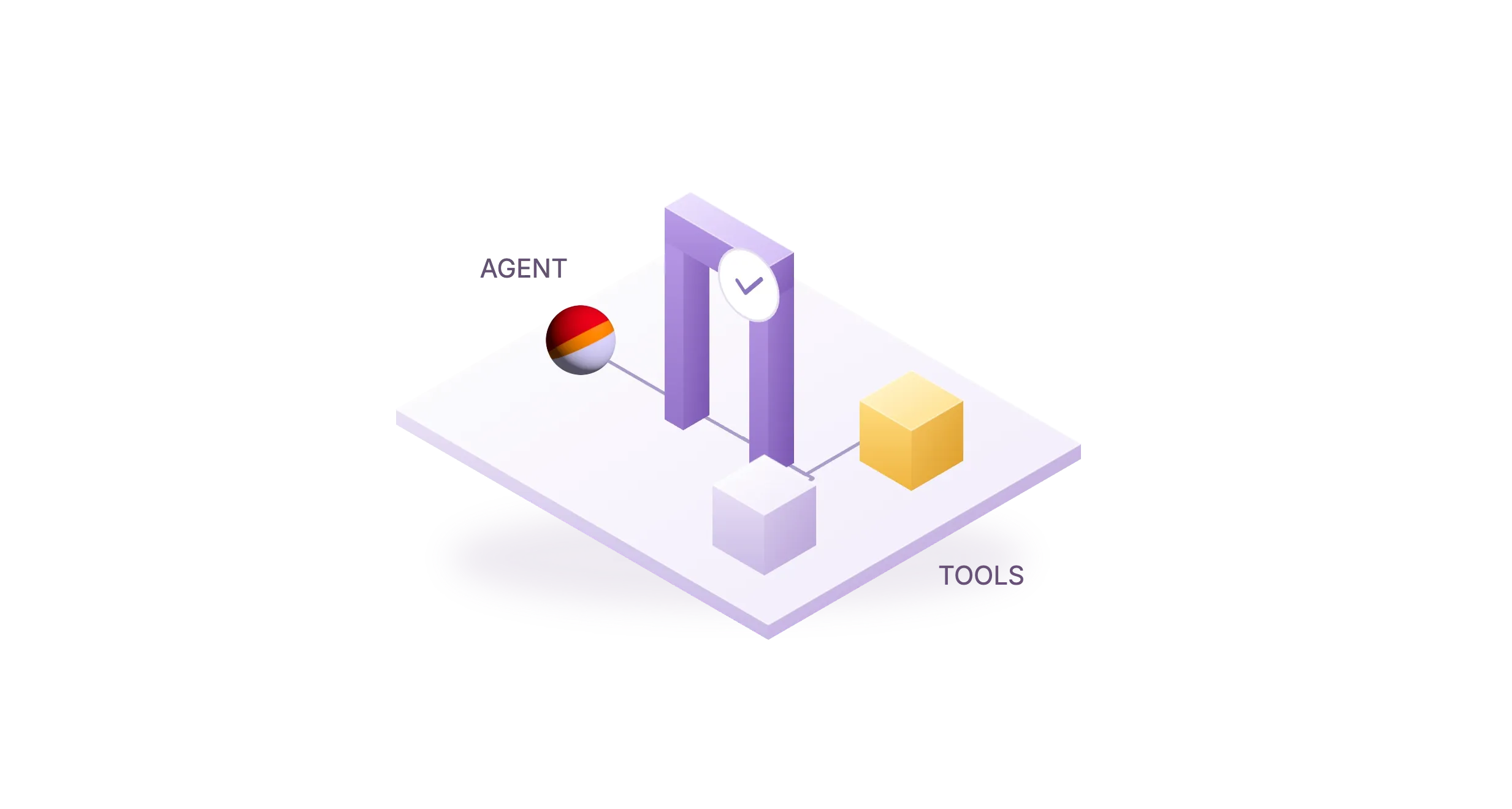
Prevent AI Tool Hijacking and Unchecked Parameter Execution
Intercept agent-to-tool requests at the gateway layer. Control tool discovery, permit/deny execution based on composite identity, and validate input parameters before execution.
Key integrations
- AWS AgentCore
- Native MCP Gateways
- Pinecone
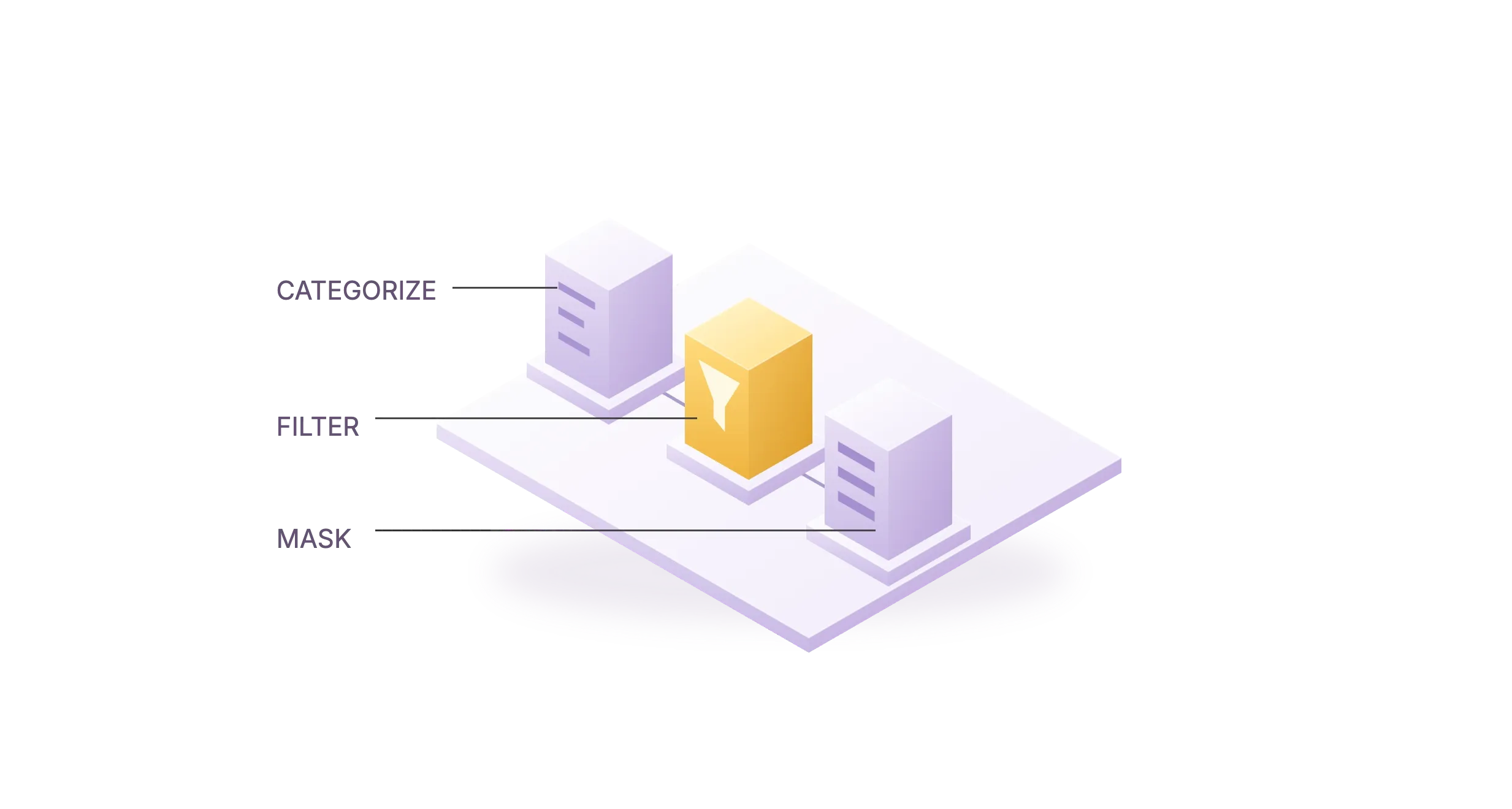
Stop Unauthorized Data Retrieval in LangChain and Agentic Pipelines
Embed native Authorizers directly inside Python agent development code. Enforce prompt categorization (PlainIDCategorizer), pre-retrieval RAG filtering (PlainIDRetriever), and response PII masking (PlainIDAnonymizer).
Key integrations
- LangChain
- LangGraph
- LlamaIndex
- CrewAI
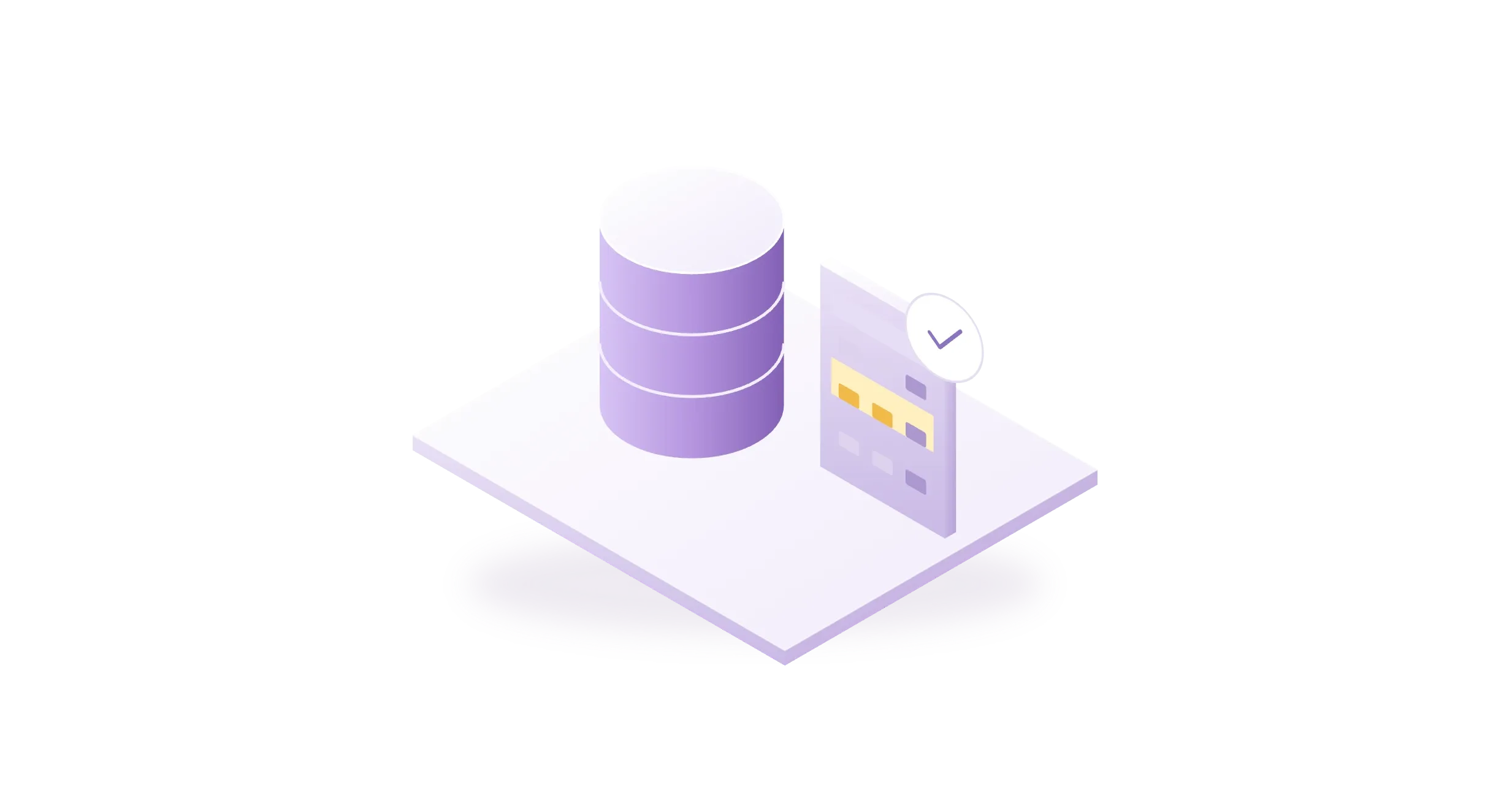
Eliminate Database Exposure with Dynamic Row Filtering and Column Masking
Apply fine-grained data authorization directly at the data tier or orchestrate native platform policies. Inject SQL WHERE clauses for row filtering and apply dynamic cell masking based on context.
Key integrations
- Snowflake
- Databricks
- Google BigQuery
- Amazon Redshift
- PostgreSQL
- Trino
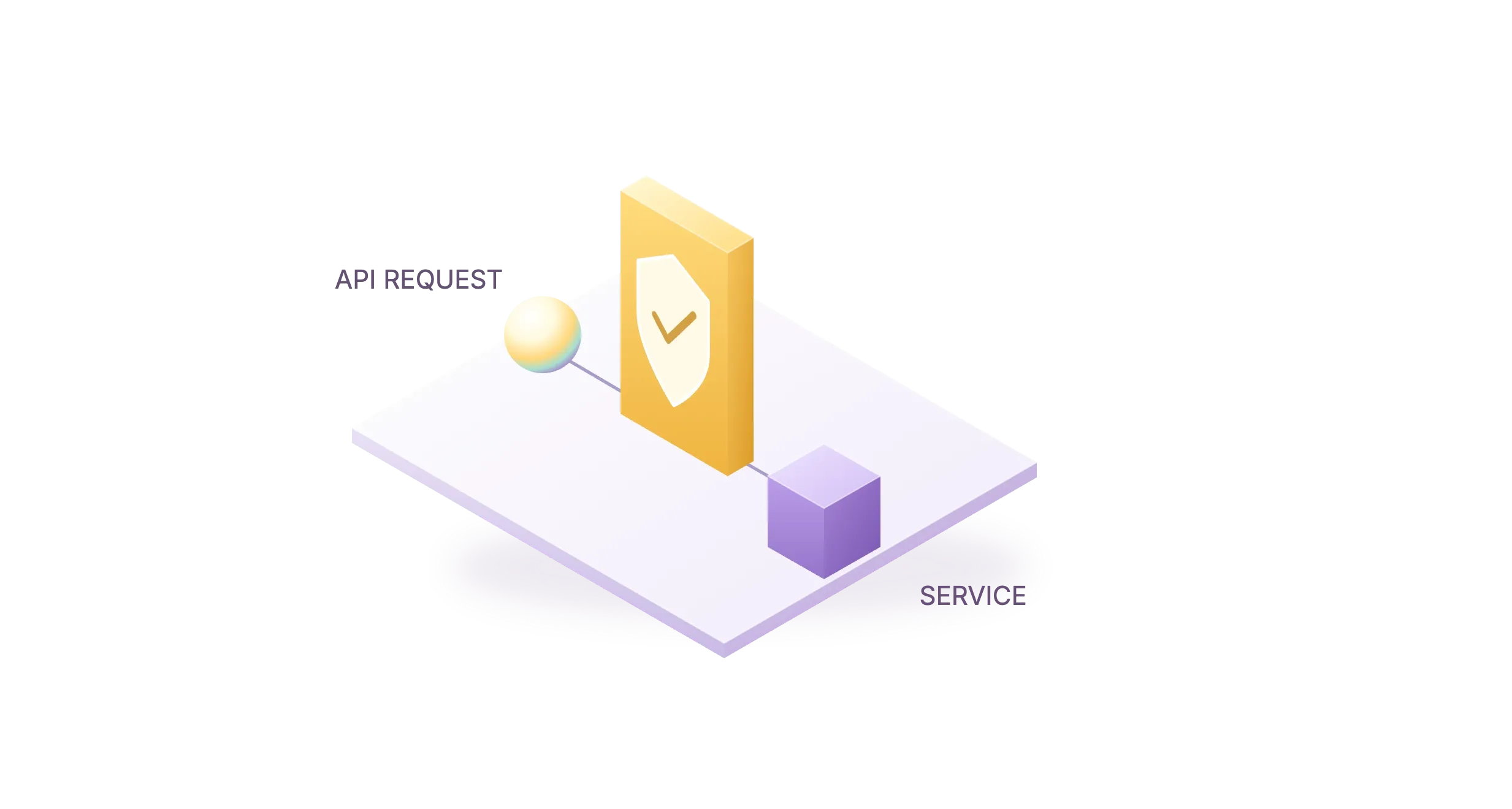
Stop BOLA/BOPLA Exploits at the Edge Without Rewriting Backend Code
Out-of-the-box gateway Authorizers intercept API traffic, evaluate caller identity, methods, and parameters in sub-2ms, and protect against BOLA/BOPLA vulnerabilities with zero application rewrites.
Key integrations
- Kong
- Apigee
- AWS API Gateway
- Azure API Management
- Envoy Proxy
Secure East-West Service Traffic with Microsecond-Latency Sidecars
Decoupled Sidecar Policy Decision Points (PDPs) run in-pod alongside containerized services. Enforce zero-trust microservice policies with microsecond local decisioning and hop-to-hop identity propagation.
Key integrations
- Istio
- Envoy Proxy
- Consul
- Kuma
- Linkerd
- Kubernetes
Replace Static Roles with Real-Time Authorization Claims at Login
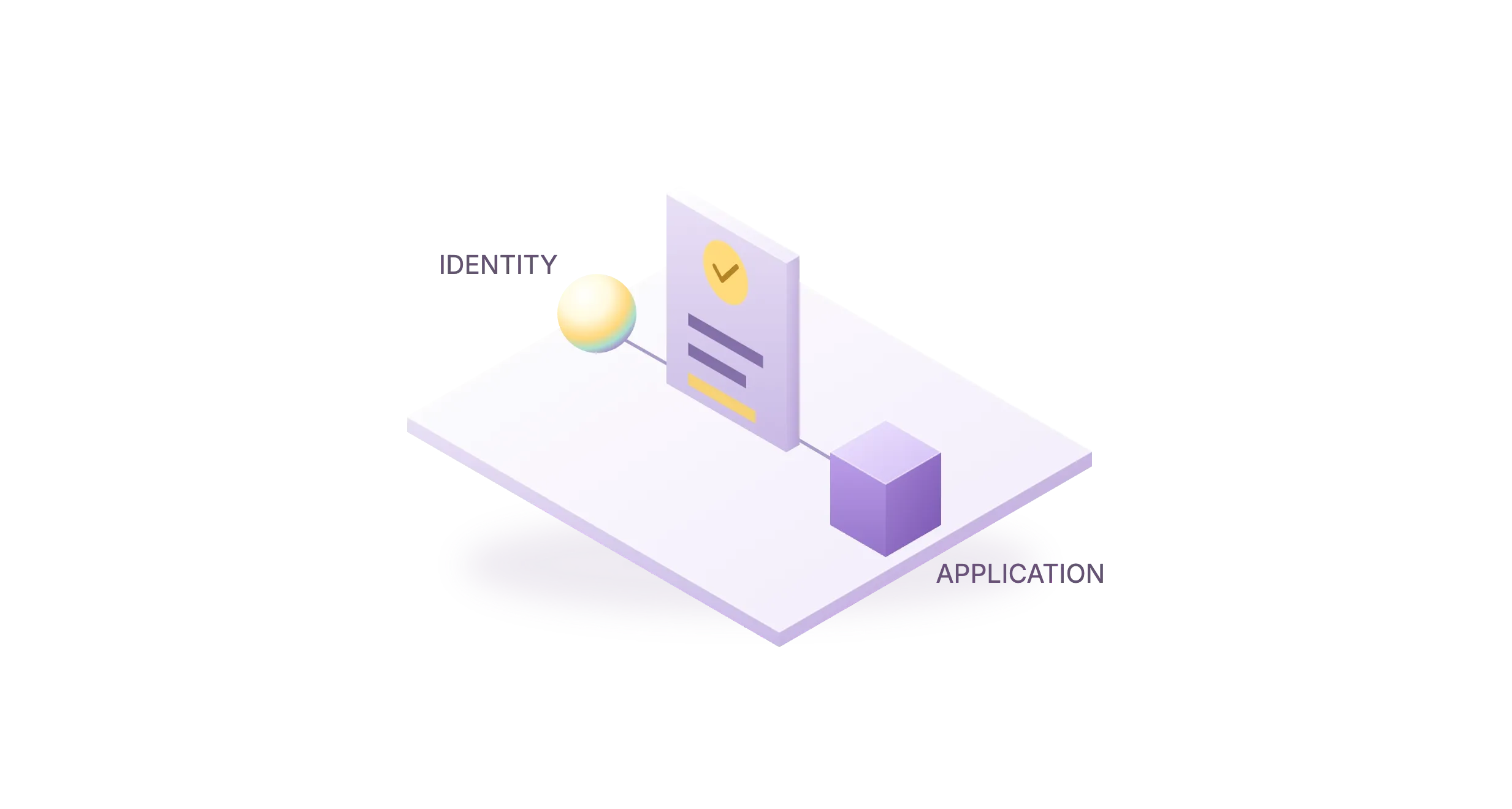
Calculate dynamic, policy-derived entitlements at token issuance. Inject fine-grained claims into standard OIDC/JWT tokens via IdP webhooks to enable fast, local app checks without custom code.
Key integrations
- Okta
- Microsoft Entra ID
- Ping Identity
- Auth0
- ForgeRock
- Thales
Embed Deep Domain-Specific Security Checks into Custom App Logic
Integrate native language SDKs directly into application code. Evaluate complex, stateful business logic aligned with OpenID AuthZEN and Open Policy Agent (OPA) standards.
Key integrations
- Java
- Python
- Go
- .NET
- OpenID AuthZEN
- OPA / Rego
Securing over 35 million identities and processing billions of decisions daily
for the world's most trusted enterprises.

















FAQs
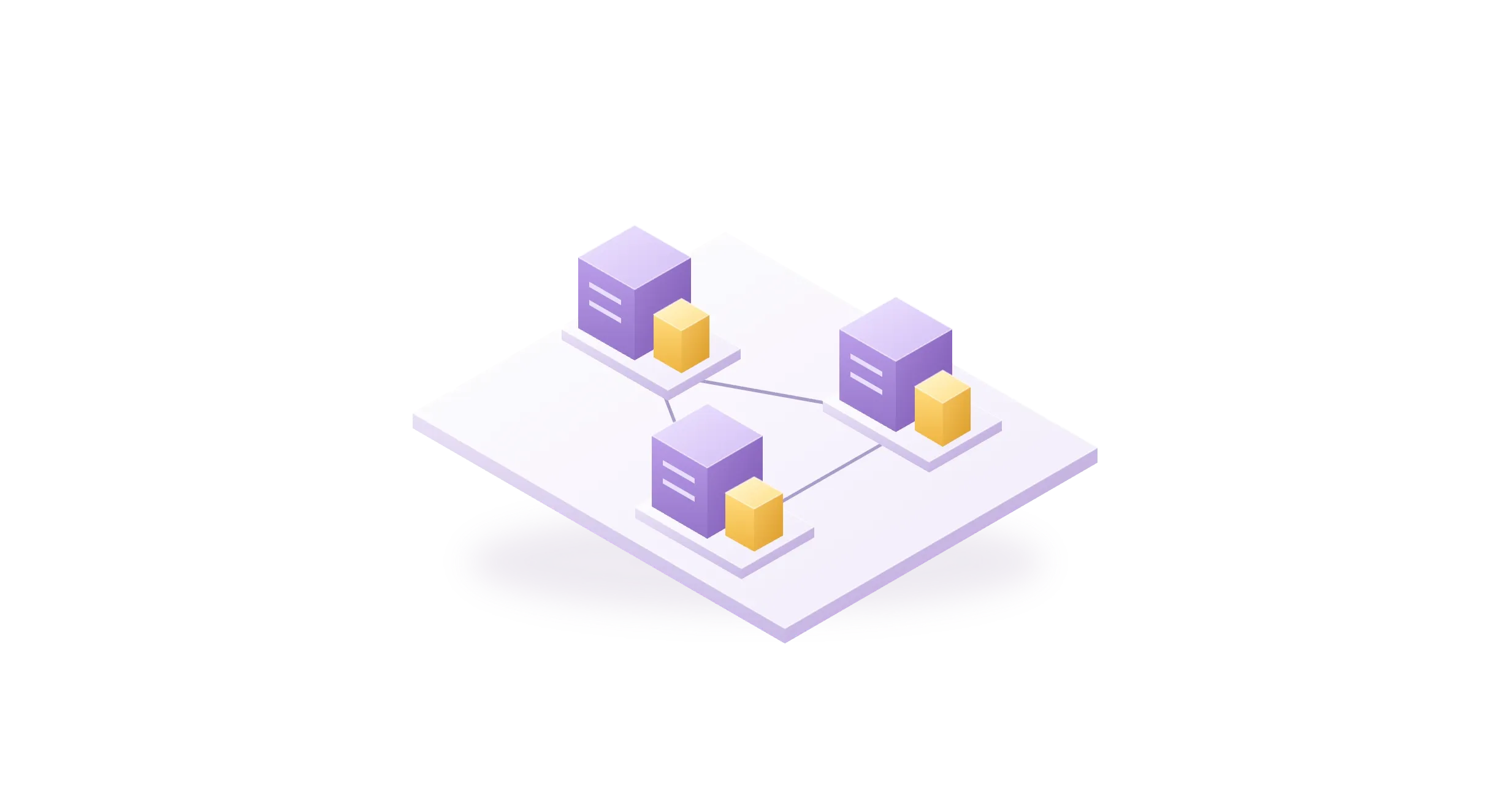
Yes. PlainID's decoupled architecture allows a single, centrally governed policy to be enforced simultaneously across API gateways, microservice sidecars, database query engines, and agentic AI frameworks using local Policy Decision Points (PDPs).
PlainID deploys lightweight, containerized Policy Decision Points (PDPs) locally alongside your application sidecars, API gateways, or Kubernetes clusters, eliminating round-trip cloud latency.
PlainID PDPs operate with complete local autonomy. Once policies are synchronized, PDPs continue evaluating access decisions in-cluster with zero dependency on continuous SaaS connectivity, guaranteeing 100% application resilience during network outages.
For API gateway, microservice sidecar, data access orchestration, and token enrichment patterns, PlainID requires zero application code changes. For application-level checks, developer-friendly SDKs and OpenID AuthZEN APIs are provided.
PlainID maintains composite identity tracking, preserving both the calling workload/agent identity and the delegating human user's context across hop-by-hop transactions for full auditability.
PlainID supports OpenID Connect (OIDC), OAuth 2.0 (including On-Behalf-Of flows), SCIM, OpenID AuthZEN, Open Policy Agent (OPA / Rego), and Model Context Protocol (MCP).

Not sure which enforcement pattern fits your hybrid stack?
Most Fortune 2000 enterprises combine them: API gateways at the edge, token enrichment for customer-facing apps, data access control in the warehouse and agentic guardrails for AI workflows. PlainID manages them all from one central policy engine. We’ll help you find the right mix.